Buying Guides
Why sealed connectors still leak: 5 ingress paths and how to check them
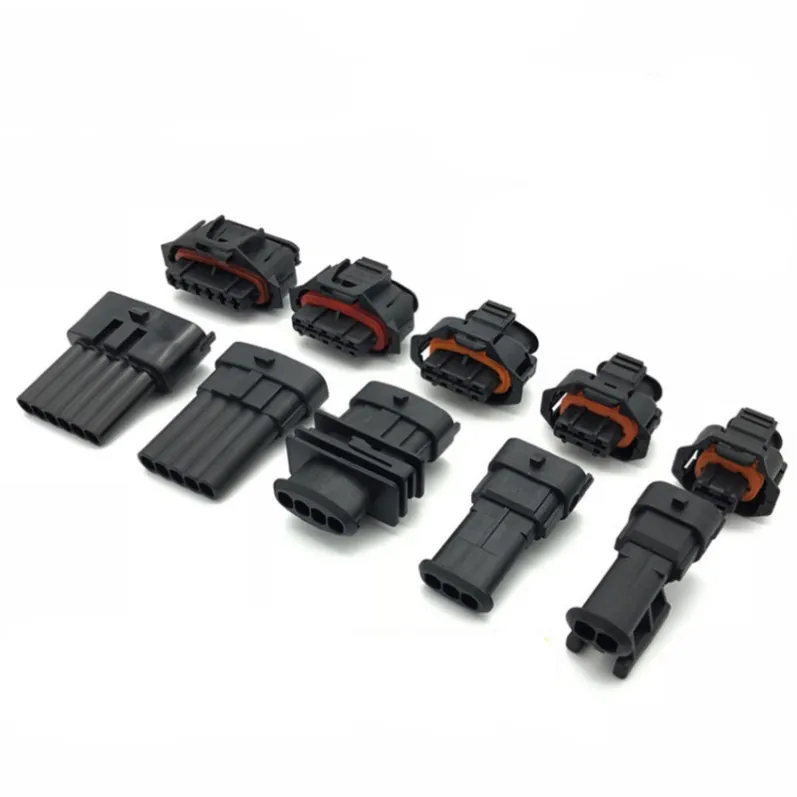
A sealed connector can pass its IP test on the bench and still leak in service. That is not a contradiction. The rating tests the assembled connector. Service adds assembly mistakes, ageing and the wrong part in the wrong place. Water rarely comes through the housing wall. It comes through one of five paths.
1. The mating face
If the two halves are not fully mated and latched, the face seal never compresses. Check: push until the latch clicks, then try to pull the halves apart by hand. A half-mated connector looks connected and is not sealed.
2. The wire seals
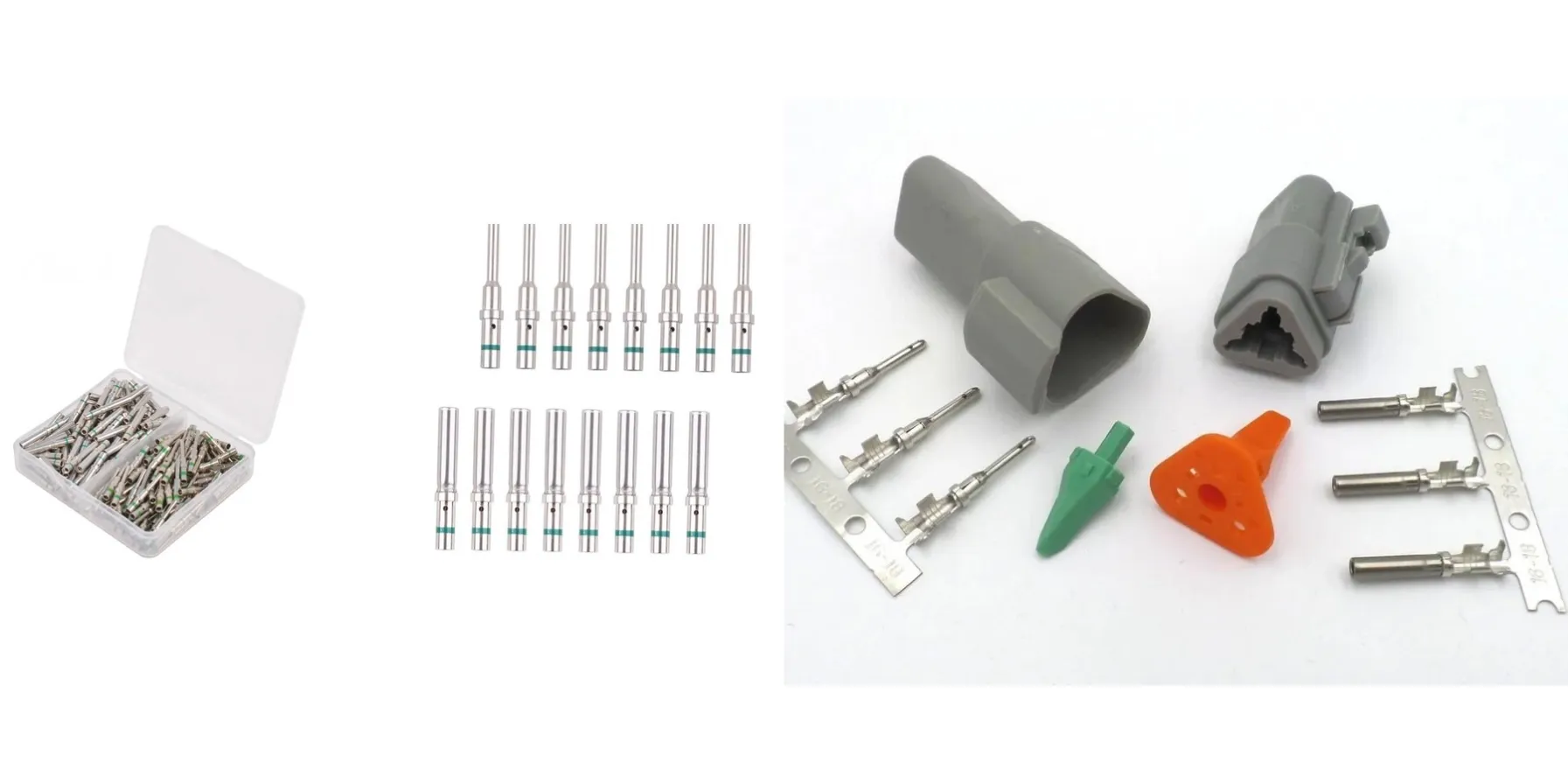
Each wire passes through its own silicone seal at the rear of the housing. A seal made for the wrong wire diameter will not seal: too large a wire stretches it, too small a wire leaves a gap. A seal that is cut, stretched or displaced during insertion will not seal either. Check: the seal sits flat, the wire is centred, and the seal size matches the wire gauge. WireU DT / DTM / DTP housings use silicone seals, rated IP67 as a system, for -55 to +125 °C — the rating holds only if the seal matches the wire.
3. Unused cavities
An empty cavity is an open path for water and dust, even if that circuit is not used. Every unused position needs a cavity plug / blank plug. This is the most commonly missed check on multi-way housings where only some positions are populated. Check: count the cavities, count the populated contacts, and plug every empty one.
4. The rear cable entry and the panel interface
Water can enter where the cable bundle enters the rear of the connector, and where a panel-mount connector meets the panel. A missing, damaged or wrongly compressed gasket at the panel, or a cable entry that is not sealed, defeats the housing seal. Check: the gasket is present, undamaged and compressed evenly, and the mounting surface is flat and clean.
5. The wedgelock — and the contact behind it
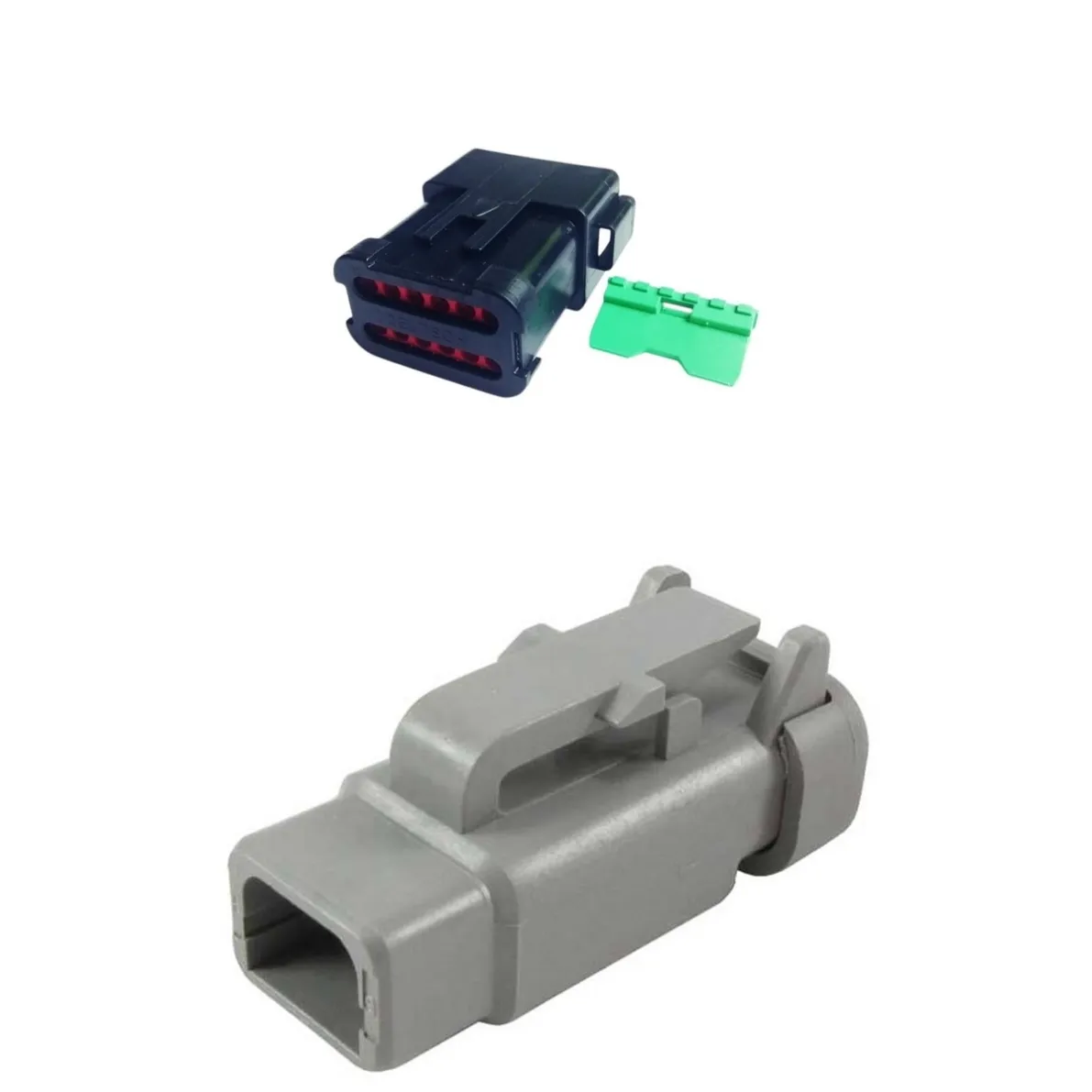
A wedgelock holds the contacts in place after insertion. Without it, a contact can back out under vibration, leaving a gap at the seal and an intermittent circuit. W*P is the receptacle wedgelock (green); W*S is the plug wedgelock (orange, standard). Check: the wedgelock is the right one for the housing and pin count, it is fully seated until it clicks, and every contact tugs firm behind it.
Ageing counts too
Seals age first. Heat, oil and time take the spring out of a silicone seal, sealing force drops, and a connector that passed on the bench leaks after two years. A seal that was pinched or folded at assembly fails sooner. If a connector has been opened and re-mated many times, or has lived in the engine bay for years, inspect the seals before reusing it.
A 2-minute check before the harness goes out
- Fully mated and latched?
- Every wire seal flat, centred, and matched to its wire?
- Every unused cavity plugged?
- Wedgelock fully seated, contacts tug firm?
- Panel gasket present and evenly compressed?
Five yes answers, and the IP67 rating has a chance to do its job. One no, and water has a path in — usually the one nobody checked.