How to Choose Between DEUTSCH DT and DTM Connectors
DT or DTM? Compare DEUTSCH DT and DTM connectors by contact size, current rating, wire gauge, and IP67/IP69K sealing to choose the right sealed connector.
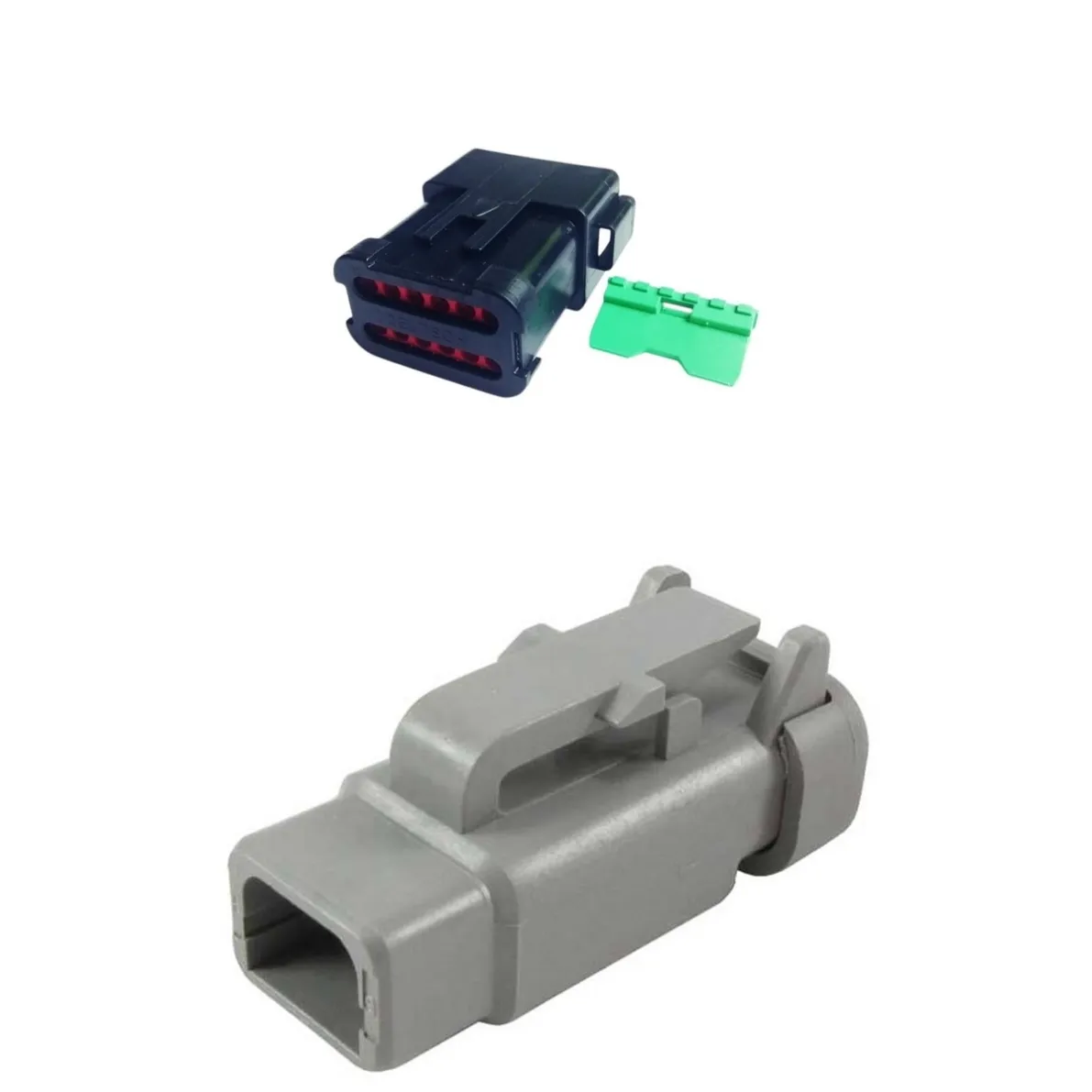
DEUTSCH DT and DTM connectors look similar, but they are built for different jobs. Both are sealed, wire-to-wire connector series used in automotive, truck, agricultural, and construction equipment wiring. The difference comes down to contact size, current rating, and wire gauge. Choosing the wrong series can mean loose contacts, overheating, or a harness that is harder to service. This guide compares DT and DTM side by side so you can match the connector to the circuit.
DT vs DTM at a Glance
Use this quick comparison before you order parts or start a harness build:
- DEUTSCH DT: size 16 contacts, rated up to 13 A, 2–12 ways, wire range AWG 20–14, operating temperature -55 C to +125 C.
- DEUTSCH DTM: size 20 contacts, rated up to 7.5 A, 2–12 ways, wire range AWG 22–20, operating temperature -55 C to +125 C.
- Sealing: both series use silicone wire seals and wedgelocks, rated IP67/IP69K when mated with the correct seals and cavity plugs.
- Housings: both use glass-filled polyamide plug and receptacle housings with a locking latch for vibration resistance.
If the circuit carries more than 7.5 A, DT is the default choice. If the circuit is a low-current signal line and you need many positions in a small housing, DTM is usually the better fit.
When to Choose DEUTSCH DT Connectors
DT is the workhorse of the two series. Size 16 contacts handle heavier wire and higher current, which makes DT the right choice for power and load circuits.
Typical DT Applications
- Engine and chassis wiring: sensors, fuel pumps, fans, and lighting circuits.
- Truck and bus body wiring where vibration and moisture are constant.
- Agricultural and construction equipment: valve controls, work lights, and cab wiring.
- Any circuit that needs up to 13 A per contact with AWG 20–14 wire.
When to Choose DEUTSCH DTM Connectors
DTM uses smaller size 20 contacts, so the housings are more compact for the same number of positions. It is the series for signal and low-current circuits.
Typical DTM Applications
- Sensor and switch signals in the cab and dashboard.
- Multi-way control harnesses where space is limited.
- Low-current lighting and communication lines in trucks and off-highway equipment.
- Any circuit up to 7.5 A per contact with AWG 22–20 wire.
How to Pick by Current, Wire Gauge, and Sealing
Match the Current Rating
Start with the load. Add up the current of the devices on the circuit and compare it with the contact rating: 13 A for DT size 16 contacts, 7.5 A for DTM size 20 contacts. Pick the series with a rating above the circuit load — never size a connector exactly at its limit for a continuous load.
Match the Wire Gauge
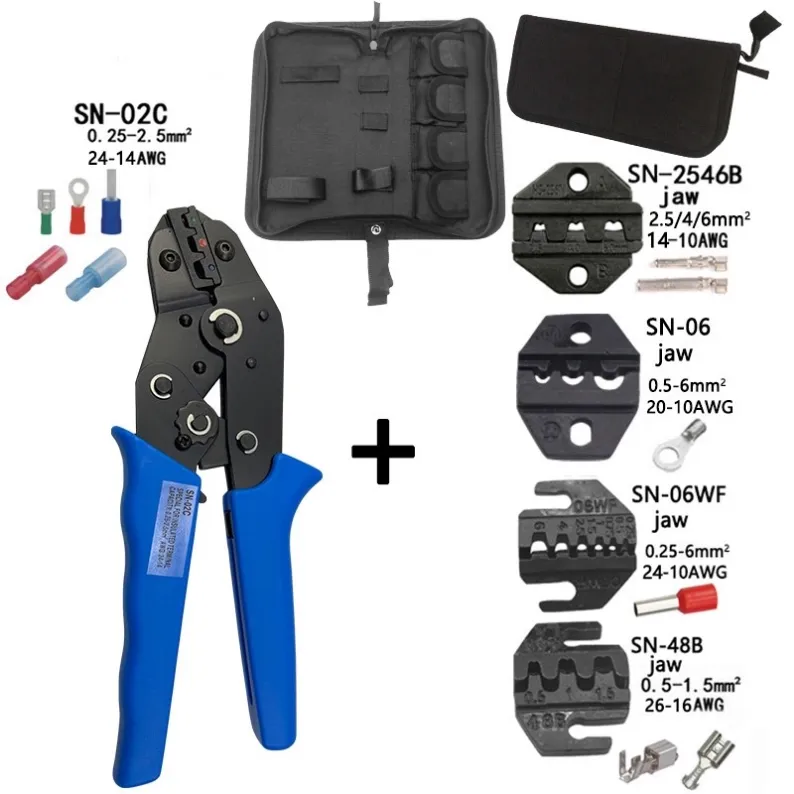
Check the wire first, then the contact. DT size 16 contacts accept AWG 20–14 wire; DTM size 20 contacts accept AWG 22–20 wire. A contact that is too large for the wire will not crimp tightly, and a contact that is too small will not fit the wire at all. Use the correct crimp tool for the contact size and check every crimp with a pull test.
Check the Sealing Rating
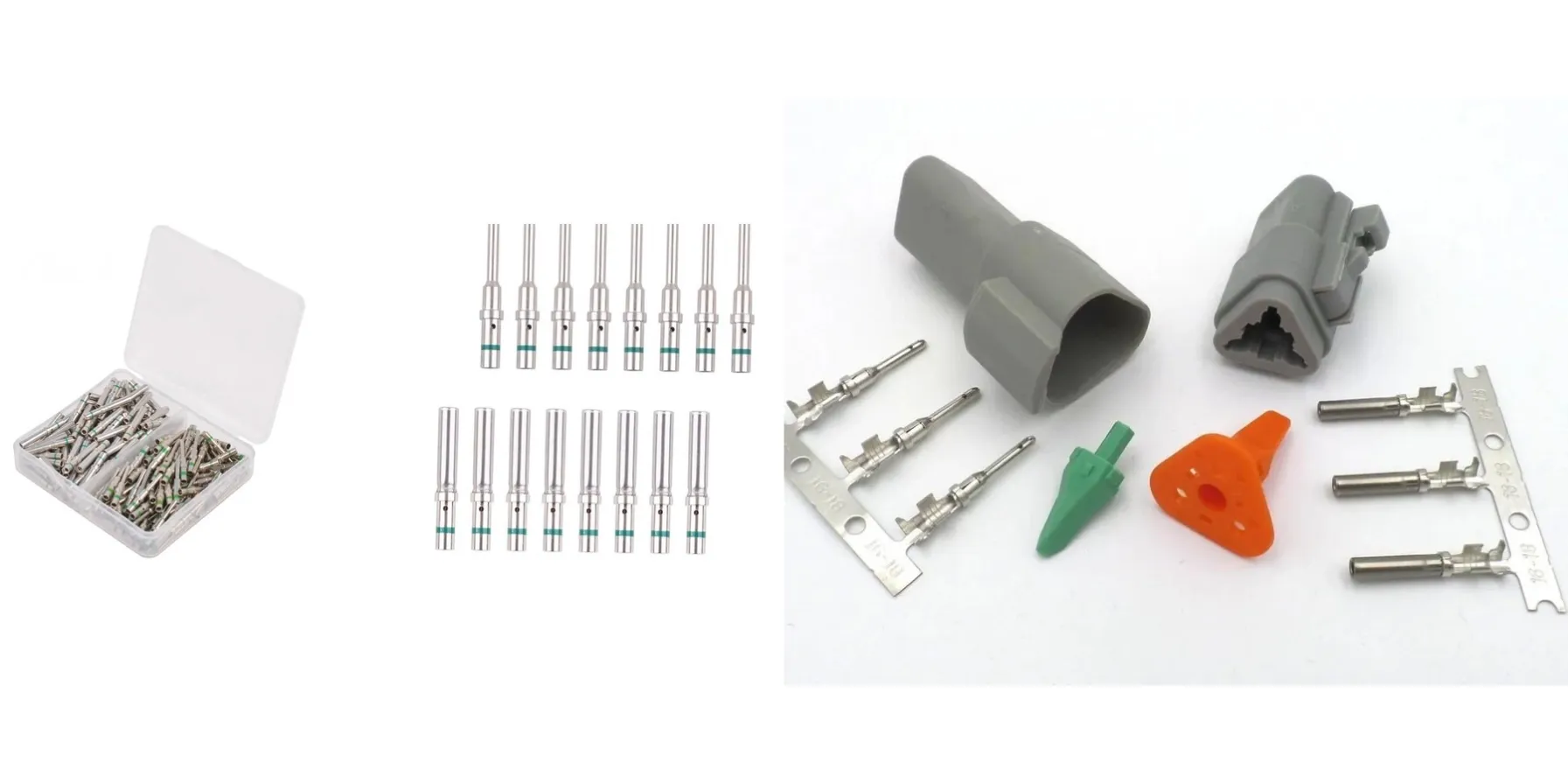
Both series reach IP67/IP69K sealing only when the full sealing system is used: the correct silicone wire seal for the wire diameter, a wedgelock to hold the contacts in place, and a cavity plug for every unused position. An empty cavity without a plug is an open path for water and dust.
A Simple 4-Step Selection Checklist
- List the circuits: current, wire gauge, and number of positions.
- Choose the series: DT for up to 13 A and AWG 20–14, DTM for up to 7.5 A and AWG 22–20.
- Choose the housings: plug and receptacle pair in the right number of ways, plus wedgelocks, seals, and cavity plugs.
- Choose the contacts: solid or stamped contacts in the right size, crimped with the correct tool and checked before mating.
When in doubt, size up to DT — a connector that is slightly larger than needed is far cheaper than a failed harness in the field. For ready-made starting points, see the DEUTSCH DT 2-way and 4-way sealed connector sets in the product catalog, and ask for help matching housings, contacts, and seals to your harness drawing.